
With thanks to
Ryan Sprenger, PhD, Senior Research Physiologist
Fauna Bio (Emeryville, CA)
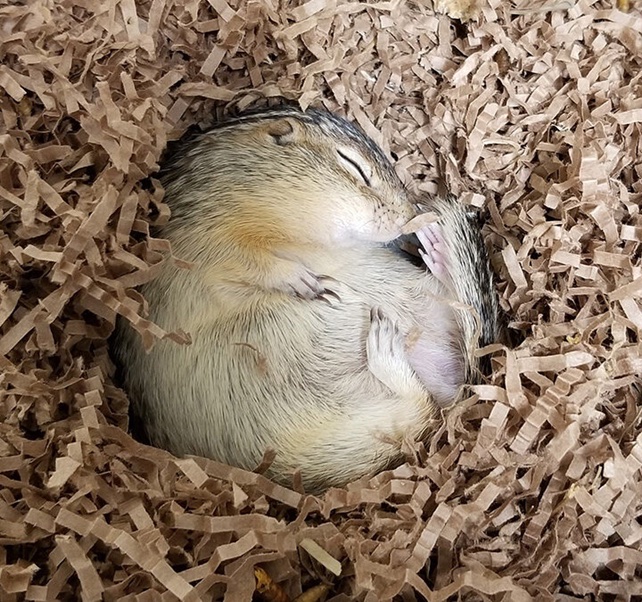
For researchers studying hibernation, the body is a living map of adaptation. During hibernation, animals such as the 13-lined ground squirrel undergo dramatic physiological changes: metabolism falls, body temperature drops, energy use shifts, and long periods of immobility occur without the same degree of muscle and bone deterioration that would typically be expected in non-hibernating mammals. These unusual biological abilities have made hibernators an increasingly important model for human health, especially in areas such as spaceflight, obesity, muscle preservation, bone loss, cancer, cardiovascular disease, and metabolic resilience.
Fauna Bio, a biotechnology company focused on extreme mammal biology and comparative genomics, utilizes an AI-driven DNA discovery engine and hibernating animals to uncover mechanisms that may translate into new therapies for human disease. The company’s work has drawn attention from NASA, CNN, the University of Wisconsin–Oshkosh, and the Wall Street Journal for its potential to connect animal adaptations with real-world biomedical and space-health challenges.
One tool utilized in their research is Micro Photonics’ InAlyzer2 DEXA system, which is designed for preclinical research in live laboratory animals, allowing researchers to measure bone mineral density, bone mineral content, fat mass and lean mass without dissection. The system supports repeated measurements in the same animal over time, making it particularly valuable for longitudinal studies of body composition, metabolism, bone health, and muscle preservation.
DEXA’s capabilities align closely with some of the scientific questions Fauna Bio is asking. If hibernators can remain inactive for long periods while preserving muscle and bone, then tools that can track those tissues over time are essential. DEXA gives researchers a way to quantify how fat, lean mass, and bone mass change before, during and after hibernation, as well as after experimental interventions. In the context of Fauna Bio’s work, DEXA is a measurement platform for understanding how hibernation biology protects the body.
Hibernation as a Model for Space Health
Long-duration space travel is associated with muscle atrophy, bone loss, radiation exposure, and other physiological challenges. Hibernating mammals may offer clues because they experience prolonged immobility yet appear to preserve key tissues in ways that could be relevant to astronauts. NASA has described torpor, the energy-conserving state central to hibernation, as involving a deep reduction in metabolic rate, and has noted potential benefits, including preservation of muscle and bone despite prolonged immobilization and possible protection against radiation injury.
Fauna Bio’s space programs are built around a central question: could the protective biology of hibernation help address some of the major health risks of spaceflight? Ryan Sprenger, senior research physiologist and director of Fauna Bio’s space programs, has described two major space-related efforts connected to this work: STASH and ASCRIPTS.
STASH is focused on developing the infrastructure needed to study hibernation in space, including aboard the International Space Station, commercial space stations, and the lunar Gateway Station. The long-term goal is to better understand, and potentially translate, the protective effects that hibernation may provide during space travel. One of the central hypotheses is that hibernating animals may be able to retain muscle and bone mass during extended periods of immobility, a major challenge for astronauts in microgravity. In this context, DEXA would be used to examine body composition and bone health in animals after they return from a mission. Because these animals have not yet flown, this remains a future application.
ASCRIPTS uses simulated cosmic radiation to assess whether hibernation offers protection against radiation exposure, another major risk associated with space travel. Radiation is also known to affect muscle dynamics and bone mineral density, making DEXA an important tool for this program. In ASCRIPTS, DEXA is actively used to evaluate body composition and bone parameters, helping researchers examine how radiation exposure may affect muscle, fat, and skeletal health in hibernating animals.
The UW–Oshkosh Ground Squirrel Colony
A major foundation for this research is the University of Wisconsin–Oshkosh’s long-running 13-lined ground squirrel program. A UW–Oshkosh article highlighted the university’s role in hibernation science, noting that its laboratories maintain what the university describes as the world’s first and only captive breeding program for 13-lined ground squirrels that reliably hibernate. That program has supported studies in cancer, heart disease, neurological conditions and spaceflight.
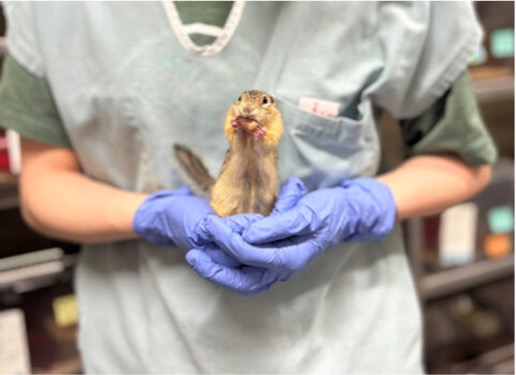
Ryan Sprenger and Benjamin Sajdak, both UW–Oshkosh alumni, appeared in CNN’s Vital Signs2 segment as part of Fauna Bio’s Oshkosh-based research team. Sprenger described the CNN feature as both affirming and personally meaningful because the work had roots at UW–Oshkosh, where he began his research career in hibernation.
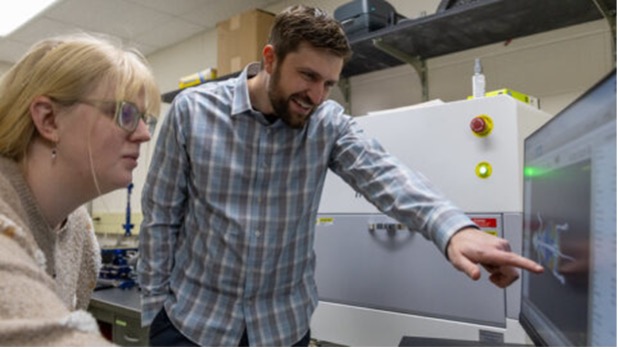
The cutting-edge biomedical research involving hibernating animals relies on much of the foundational work that “has been taking place quietly for decades at UW-Oshkosh, where faculty-led research, undergraduate training and a unique ground squirrel breeding program have created a resource used by scientists around the world.2”
Hibernation, Obesity and Healthy Fat Use
The same biology that makes hibernators compelling for space medicine also makes them important for obesity and metabolic research. Hibernators undergo dramatic seasonal weight cycling. They build fat reserves before hibernation and then rely heavily on those fat stores during the hibernation season, while preserving muscle mass in ways that are difficult to replicate in humans.
This is highly relevant to obesity research because many approaches to weight loss can also reduce lean mass. Hibernators appear to offer a different biological model: extensive fat utilization without proportional muscle loss. Understanding how they regulate appetite, fat storage, fat mobilization, metabolism, and muscle preservation could point to new therapeutic strategies for obesity and related metabolic disorders.
The value of DEXA in this work comes from its ability to separate different components of body composition. A ground squirrel may gain or lose total body weight, but total weight alone does not reveal whether that change reflects fat, lean tissue, bone mineral content or some combination of all three. DEXA helps researchers see the difference by allowing serial assessment of the same live animals across time: before hibernation, during seasonal transitions, after arousal, following treatment, or after future spaceflight exposure.
If an animal loses weight during hibernation, researchers need to know whether the animal is preferentially using fat stores while sparing muscle. If a spaceflight experiment tests whether torpor protects against microgravity-induced tissue loss, researchers need to know whether bone density and lean mass were preserved. If an obesity study evaluates a drug target inspired by hibernation biology, researchers need to understand whether fat mass changes occur with or without negative effects on lean mass.
From Ground Squirrels to Human Health
The attention around Fauna Bio’s work reflects a larger shift in biomedical research: scientists are increasingly looking beyond traditional laboratory models to understand how evolution has already solved hard biological problems. Fauna Bio’s hibernation research sits at the intersection of space medicine, metabolic disease, musculoskeletal biology, and drug discovery. Its work with 13-lined ground squirrels is helping scientists ask whether the protective features of hibernation could one day help astronauts preserve muscle and bone, protect against radiation, or inspire new treatments for obesity and other diseases.
The InAlyzer2 DEXA system contributes to this research by distinguishing bone, fat tissue, and lean tissue (muscle, organs, water), where lean mass is often used as a proxy for muscle. Because DEXA measures lean and fat mass separately (not just total weight), and allows regional analysis (e.g., limbs vs. trunk), it provides one of the most reliable noninvasive ways to track changes in muscle-related tissue over time.
Resources
- Sleep your way to Mars: How hibernation could redefine space travel and medicine
- CNN shines spotlight on groundbreaking UW-Oshkosh hibernation research offering clues to combat human cancer, heart disease
© 2026 UW Oshkosh Today. Photo credits.