
What is a cone-and-plate viscometer?
Viscometers are instruments used to measure the viscosity of fluids. Cone-and-plate viscometers are a type of rotational viscometer, commonly used in industrial and laboratory settings because of their versatility with both Newtonian and non-Newtonian fluids (such as paints, gels, and polymers).
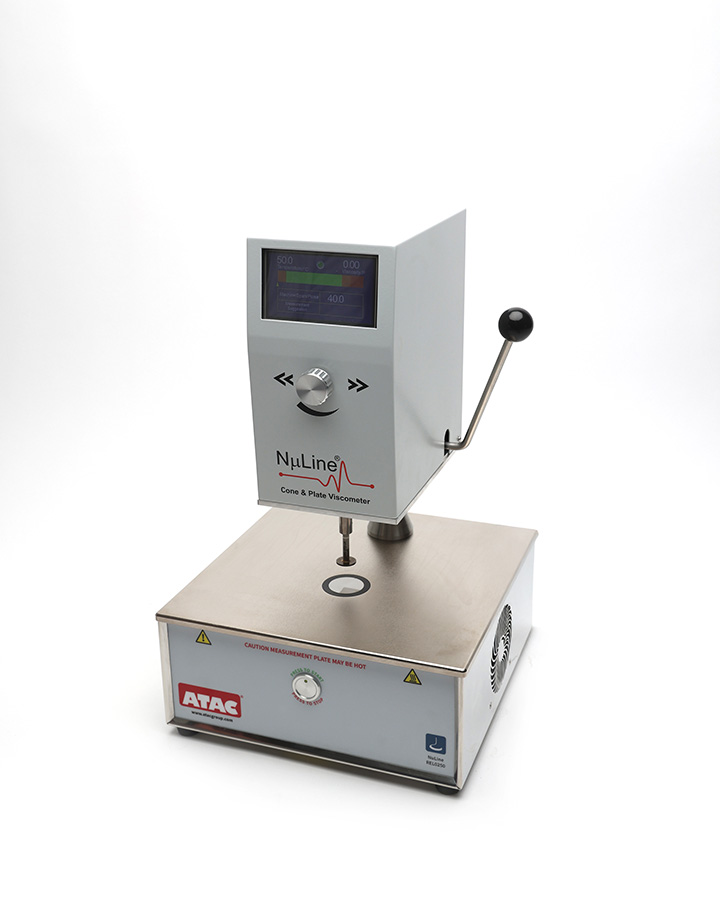
How does a cone-and-plate viscometer work?
Cone-and-plate viscometers work by placing a fluid sample between a stationary flat plate and a rotating cone. The cone is set at a very shallow angle with the tip of the cone touching the plate’s center, or maintaining a tiny, controlled gap. The cone is rotated at a specific, controlled angular velocity, which shears the fluid layers between the cone and the plate.
A sensor measures the torque the fluid exerts on the rotating cone as it resists flow. The instrument’s software uses the measured torque and the known geometric parameters (cone angle, radius, and rotational speed) to calculate the shear stress and shear rate, and ultimately the dynamic viscosity of the fluid.
Why is the cone angle so small?
A small cone angle ensures a uniform shear rate across the entire sample, improving accuracy and reproducibility. The unique geometry of the cone-and-plate system is its main advantage, which is crucial for accurately testing non-Newtonian fluids because their viscosity changes with shear rate.
What industries commonly use cone-and-plate viscometers?
Paints, coatings, inks, cosmetics, adhesives, lubricants, oils, pharmaceuticals, food industries, and more.
What are the advantages of cone-and-plate compared to spindle viscometers?
Spindle viscometers are generally comparative; they compare the viscosity of two or more samples under a particular condition of shear. A cone and plate viscometer offers a defined and uniform shear rate so that the physical property known as viscosity can be properly evaluated.
ATAC viscometers offer superior shear-rate control, small sample volume, and excellent temperature uniformity.
What shear rates are typical?
ATAC cone-and-plate viscometer instruments support 20–10,000 s⁻¹, depending on the cone geometry and rotational speed.
What speed control / RPMs are used?
ATAC NuLine Viscometers have variable control from 5 to 900 rpm in integer steps. They also have a “low speed mode” (5–90 rpm) that allows finer control in 0.1 rpm increments (software-selectable).
Can cone-and-plate viscometers measure high-viscosity materials?
Yes, many can measure up to very high viscosities, though extremely thick materials may require special cones. ATAC offers six cones, allowing you to cover a wide range of viscous materials up to 13,500 poise.
How accurate are measurements?
High-quality instruments generally achieve better than ±1% accuracy with proper calibration. The ATAC viscometers use a beryllium-copper spring-based torque measurement system, achieving accuracy better than 1% of span when using standard calibration oils.
How important is temperature control?
Critical. Viscosity is temperature-sensitive, and small temperature deviations can significantly alter results. The NuLine viscometers are offered in two temperature ranges: 5-150 °C and ambient to 250 °C, with resolution and control down to 0.1°C and stability at +/- 0.1 °C.
What sample volume is needed?
Typically, less than 1 mL, making the Nuline viscometers ideal for expensive or limited materials and small batch samples with sample sizes typically 0.2 ml.
Can cone-and-plate viscometers measure non-Newtonian fluids?
Yes, they are particularly well-suited for shear-thinning, shear-thickening, or thixotropic fluids.
Can cone-and-plate viscometers measure samples containing particles?
Cone-and-plate viscometers can only measure particles if they are small enough to fit the narrow cone-plate gap. Large particles can disrupt readings.
Can volatile samples be tested?
Yes, but evaporation control (covers, solvent traps) may be needed to maintain accuracy.
How do I choose the right cone?
Selection depends on target viscosity range, shear rate, and sample type. We can provide recommendations.
How is calibration performed?
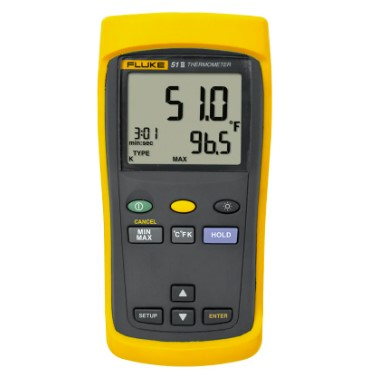
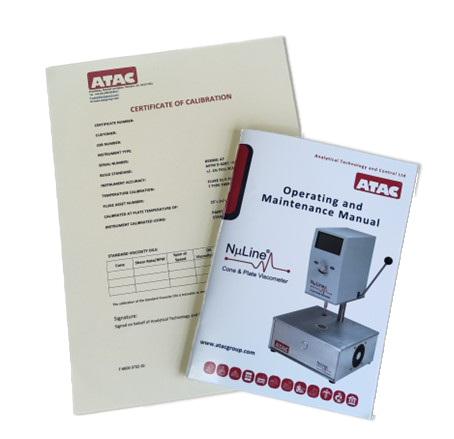
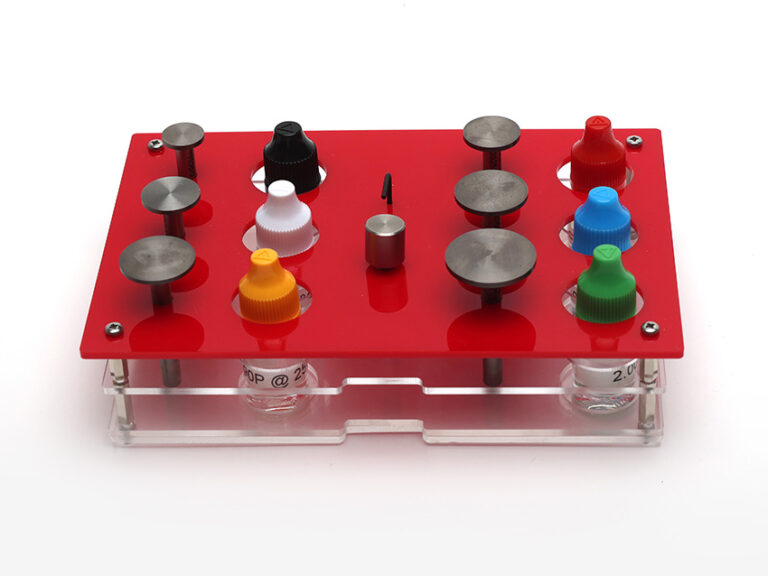
Calibration is performed using certified viscosity reference oils and temperature calibration tools according to manufacturer procedures. ATAC’s NuLine viscometers come ready “out of the box”, meaning they come with all cones/ spindles, calibration oils, a calibration kit and software, and they are pre-calibrated and ready to run soon after unboxing.
NuLine viscometers can store calibrations for up to six cone sizes so users can easily change from one cone to another.
How long do tests take?
Basic tests take under a minute. Tests requiring temperature stabilization take longer.
Is cleaning easy?
Yes. Usually a quick wipe is sufficient, but cones must be handled carefully to avoid damaging the tip.
Does software come with these instruments?
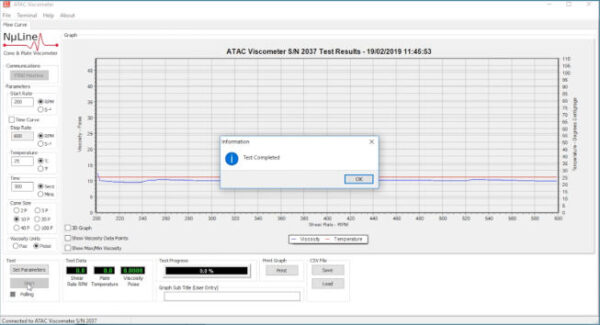
NuLine units include software for data logging and analysis; shear-rate profiling; time sweeps; and exporting results.
How fragile are cones?
While robust, cone tips are precision-machined and can be damaged if dropped or scratched and should be handled with care. Both the cone and the plate are made from durable tungsten carbide to be resistant to damage.
What routine maintenance is required?
Regular cleaning, alignment checks, and periodic calibration.
How long does an instrument typically last?
While each system is different, many units last 10+ years with proper maintenance.
How does the NuLine system compare with a full rheometer?
Cone-and-plate viscometers measure viscosity well, including across temperature ranges, and some do shear-rate and time sweeps. They cannot perform oscillatory tests or full viscoelastic analysis.
Can the viscometers measure yield stress?
They can estimate yield stress under controlled shear, but not as precisely as a true rheometer.
What equations describe the measurement?
Shear rate = angular velocity / cone angle; viscosity = shear stress / shear rate (derived from torque and geometry).
What causes sample slip and how is it prevented?
Poor wetting or contamination of surfaces can cause slip. Clean plates and proper sample loading help.
Does humidity affect results?
Only indirectly via evaporation for volatile samplserses.
Can users automate testing?
Many systems offer automated test protocols, data logging, and batch-mode configurations.
What accessories are recommended?
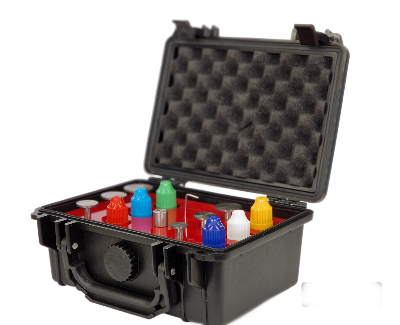
Calibration oils, additional cones, solvent traps, temperature kits, and protective storage cases. Most are included with the ATAC systems.
What factors affect measurement repeatability?
Temperature stability, proper sample loading, absence of bubbles, and clean measurement surfaces.
What training is required?
Basic familiarity with viscosity, sample preparation, and software operation is usually sufficient.
Need to know more about the NuLine Viscometer?
Contact Us
Buyers’ Guide